Aviation Switching Module – NSN 4920-01-250-2696 (AS-IS / Untested): Military Aviation Electrical Module
Aviation Switching Module – NSN 4920-01-250-2696 (AS-IS / Untested): Military Aviation Electrical Module
Blog Article
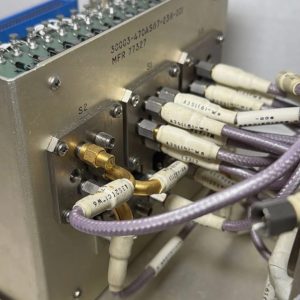
The Aviation Switching Module – NSN 4920-01-250-2696 (AS-IS / Untested) should be purchased with the understanding that no operational, calibration, serviceability, compatibility, or installation guarantee is being made.
The Aircraft Switching Module offers potential maintenance or restoration value, while the Aerospace Switching Module must be inspected for condition, completeness, modification, and storage-related deterioration.
An Aircraft Electrical Switching Module can have commercial value for technicians, while an Aviation Electrical Control Module or Aerospace Electrical Control Unit requires qualified bench evaluation before operational consideration.
Whether described as an Aviation Control Module, Aircraft Switching Unit, Aerospace Power Distribution Module, Aircraft Electrical Control Unit, or Aviation Power Control Module, the component should remain identified primarily by its NSN and physical markings.
Overview of the Aviation Switching Module
NSN 4920-01-250-2696 should be compared with the data plate, manufacturer number, contract markings, serial number, connector layout, and available documentation on the actual unit.
The exact manufacturer, model number, electrical specifications, switching functions, and associated equipment should be confirmed through reliable technical references whenever available.
Untested Switching Module Condition
The condition description should be understood as a limitation rather than a suggestion that the unit is probably operational.
Improper voltage, polarity, grounding, current, signal input, or connector pin assignment can damage the module and connected equipment.
Aircraft Switching Module Applications
The actual role depends on internal circuitry, switch configuration, connector pinout, associated system design, and technical documentation.
Each visible feature should be photographed and described without assuming its electrical purpose.
Rugged Aviation Module Design
The enclosure should be inspected for dents, cracks, corrosion, missing screws, altered holes, broken seals, and unauthorized repairs.
Connector damage can prevent proper mating or create electrical shorts even when the module enclosure remains intact.
Evaluating Aircraft Electrical Components
External condition cannot confirm the state of hidden relays, contacts, circuit boards, wiring, or internal components.
Loose wires, nonstandard components, replaced relays, cut conductors, or evidence of field repair should be recorded.
Aviation Module Interface Considerations
The exact interface must be established through diagrams, manuals, connector data, or verified system information.
High-resolution photographs can preserve readable details before cleaning or restoration.
Aviation Power Circuit Management
Power switching equipment can create heat, arcing, or equipment damage when connected incorrectly.
Accurate reporting protects buyers seeking an Aircraft Power Switching Module for repair, parts, or research.
Electrical Control Unit Restoration
Visual inspection, continuity checks, insulation review, component identification, and controlled testing may form part of a professional evaluation.
Every repair should be photographed and recorded if the module is restored.
Aircraft Signal Switching Module Uses
An incorrect connection may damage sensitive electronics even when the module itself receives little power.
Shielding, grounding straps, connector shells, cable clamps, and enclosure bonding can influence signal performance where included in the original design.
Professional Aviation Module Evaluation
Associated wiring, power supplies, interfaces, switches, displays, more info sensors, test sets, or aircraft equipment may be required for meaningful operation.
A matching NSN or housing does not always confirm identical internal configuration when modifications or supersessions exist.
Choosing an Aircraft Switching Unit
An Aircraft Switching Unit offered AS-IS may appeal to aviation workshops, military-equipment collectors, technical schools, restoration specialists, and organizations maintaining legacy support equipment.
The equipment should remain clearly labeled as untested and unsuitable for operational installation without evaluation.
Aerospace Power Distribution Module Considerations
Power distribution equipment may use switches, relays, terminals, bus structures, circuit protection, and control interfaces depending on design.
Additional mounting holes should not be drilled until the component application is established.
Maintaining Legacy Aviation Control Equipment
The inspection should distinguish cosmetic wear from damage that may affect electrical operation or mounting.
Functional evaluation should proceed in stages, beginning with research and non-powered inspection before controlled electrical testing.
Untested Aviation Power Equipment
The NSN’s federal supply classification may provide useful context, but the exact role should still be researched through item-specific records.
Safe handling is important even when the Aviation Power Control Module is sold strictly AS-IS.
Aircraft Electronic Switching System Integration
An Aircraft Electronic Switching System may consist of multiple modules, harnesses, control panels, relays, indicators, power sources, and associated equipment.
Professional analysis supports responsible Aircraft Electronic Switching System maintenance.
Aerospace Switching Unit Storage and Handling
The Aerospace Switching Unit should be stored in a clean, dry, stable environment protected from moisture, dust, chemicals, impact, pests, and extreme temperature changes.
Insured and trackable transportation supports responsible sales of specialized aviation hardware.
Aircraft Electrical Module Buying Considerations
AS-IS equipment may offer attractive value when the purchaser has the knowledge and resources required for evaluation.
Transparent disclosure strengthens trust in an Aircraft Electrical Module transaction.
Aerospace Module Pre-Purchase Inspection
A pre-purchase review should confirm the NSN, manufacturer, part number, serial number, markings, enclosure condition, connectors, switches, included accessories, storage history, modification status, and known application.
- Verify the module identity through its NSN, data plate, physical configuration, connector arrangement, and available technical references.
- Do not interpret clean appearance, smooth switch movement, or intact labels as proof of electrical operation.
- Retain purchase records, photographs, labels, research, testing notes, and repair documentation with the module.
Aerospace Module Troubleshooting Process
Testing should begin with identification research, visual inspection, connector mapping, safety review, and examination of available technical documentation.
Test results should identify which circuits or functions were checked and which remain unknown.
Documenting Aviation Electronics Restoration
Professional restoration can improve the usability and value of the Aerospace Switching Module.
Every repair should record the date, technician, fault found, parts replaced, measurements, testing performed, and remaining limitations.
Selecting a Surplus Aerospace Switching Unit
The Aviation Switching Module – NSN 4920-01-250-2696 (AS-IS / Untested) offers stronger commercial appeal when its markings, controls, connectors, enclosure, accessories, history, and limitations are documented accurately.
Careful technical and commercial evaluation can reduce equipment damage, incompatible purchases, missing-accessory costs, testing hazards, and restoration delays.
Whether the item is purchased for restoration, training, parts recovery, display, testing, inventory, or professional repair, transparent information and controlled handling provide the strongest foundation.
With transparent condition reporting, secure shipping, controlled testing, appropriate repair methods, and accurate records, the unit can support a professional aerospace project.
Report this page